Safe Use of Medicines
Safe Use of Medicines
There are a lot of resources available to help you use your medicines safely and effectively. Below are some resources to help you:
- learn more about your medicines,
- use your medicines safely, and
- to make decisions about what medicines are right for you.
Asking questions about your medicines
It can be hard to decide what medicines are right for you and to learn how to take them safely. You might find it helpful to ask your doctor or your pharmacist some questions about any medicines they recommend for you. You can find a list of questions to ask before taking a medicine on the Healthdirect website. Asking questions can help you take your medicines safely and effectively.
If you need medical advice or second opinions about your medicines, contact a health care professional. Healthdirect’s Service Finder can help you find a health care professional to meet your needs.
Health Direct has a wide range of resources to help you understand and use medicines safely. You can also search for a medicine by brand name or active ingredient, using the ‘Medicines’ search function. Information available about medicines includes:
- important information about how your medicine works
- a list of possible side effects, how serious these are and what to do if you experience them; and
- other essential safety information about your medicine
You can also go to the Therapeutic Goods Administration (TGA) website to download Consumer Medicine Information (CMI) sheets for your prescription medicines.
Learn more about your medicines
HCCA is sharing more resources on managing medicines for specific health conditions as part of the Quality Use of Medicines Alliance’s Using Medicines for Better Health Project. There are resources on eczema (atopic dermatitis), gout, antidepressants, menopause and more!
Keeping track of your medicines
It is important to keep track of what you are taking and when and whether you have taken them. There are lots of ways to keep track, including:
- using an app recommended by your pharmacy,
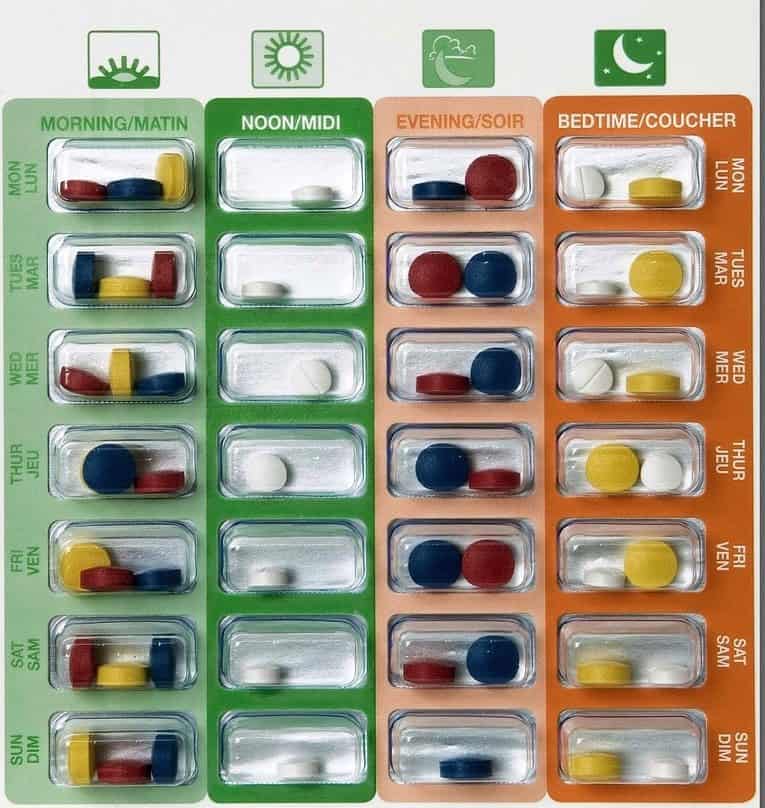
- getting your pharmacist to put your medicines in a Webster-pak,
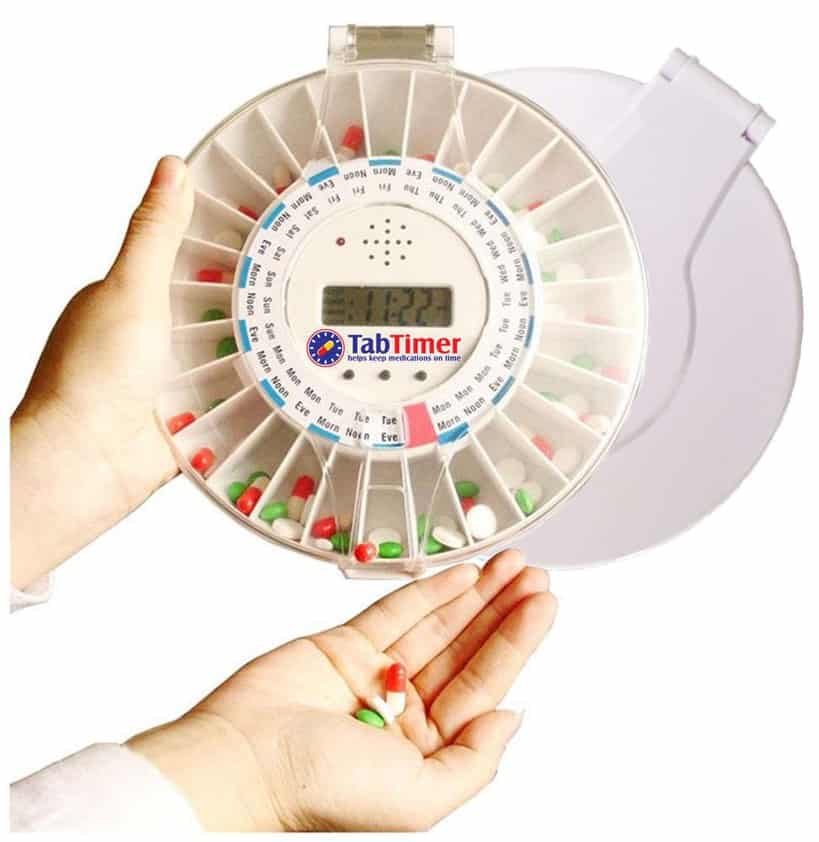
- using a device like a TabTimer to set reminders and dispense your medication,
- or using a paper medicine list like:
Some ways to organise your medicines:
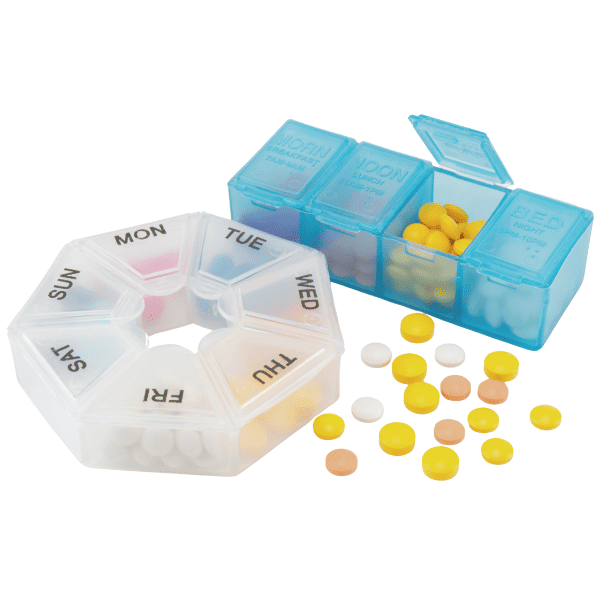
Refillable medication organisers
A blister pack or webster-pak
An automated medicine dispenser
Electronic prescriptions
Many doctors are now using electronic prescriptions so that you can manage your scripts on your phone or computer. Some pharmacies have apps that let you see your current prescriptions and order refills. Learn more about electronic prescriptions on the Australia Digital Health Agency website or watch this webinar from HCCA’s members forum.
Medicine Reviews and Disposal
You should ask about a review if you take over five medicines or have had a recent major health event, like going to hospital. A MedsCheck is a review at the pharmacy that you can book with your local pharmacist.
A Home Medicines Review is where a pharmacist comes you your home and talks to you and your family about whether your medicines are working with you and whether you are taking them correctly. This can involve other members of your care team, like nurses and support workers. You can ask your GP to refer you for a review.
Take your unused and unwanted medicines into your pharmacy for collection and disposal through the Return Unwanted Medicines program. Doing this helps keep your family safe and stops medicines from harming the environment.
When something goes wrong with your medicine
If you think you are having a reaction to your medicine, contact your regular doctor or call 1800MEDICARE (1800 633 422) for 24/7 advice from a nurse.
Reporting a reaction (called an “adverse event”) to your medicine can help improve safety for everybody. To report a problem with your medicine, you can use the Therapeutic Goods Administration’s Adverse Event Management System (AEMS).
You should report problems with any medicine or vaccine, including prescription, over-the-counter, or complementary medicines that you buy from a pharmacy, supermarket, health food shop or the internet.
In an emergency call 000 for urgent medical help. If you have concerns about an overdose or suspected poisoning, call the Poisons Information Centre on 13 11 26 any time
You can also contact the TGA to report other problems related to:
- defects in medicines or vaccines,
- fake medicines or devices,
- supplying or importing medicines illegally, or
- advertising that breaks rules about advertising medicines.
Medicine shortages and safety alerts
The Therapeutic Goods Administration (TGA) posts alerts about Australia-wide medicine shortages. Sometimes a shortage is only in your local area or pharmacy and will not appear on the TGA website. Ask your pharmacist when your medicine will be back in stock or if they can order it.
If there is a long-term shortage, you may need to see your doctor who can:
- prescribe a different dose or form of the medicine,
- prescribe a different medicine that works the same, or
- suggest another treatment.
The (TGA) posts safety alerts about medicines that are unsafe. This can be a problem with an approved medicine, a medical device, or medicines imported from overseas. The alert will tell you what you need to do if you are using the medicine or device.
If you buy medicines online, you may not know who made them or what is in them. Some medicines bought online are fake and can have dangerous ingredients. This video explains some of the risks. [Read video transcript]
Last Updated on 12 October, 2026.